
“She Can’t Not Do It”: Abbie McAllister’s Daydreams Become Reality
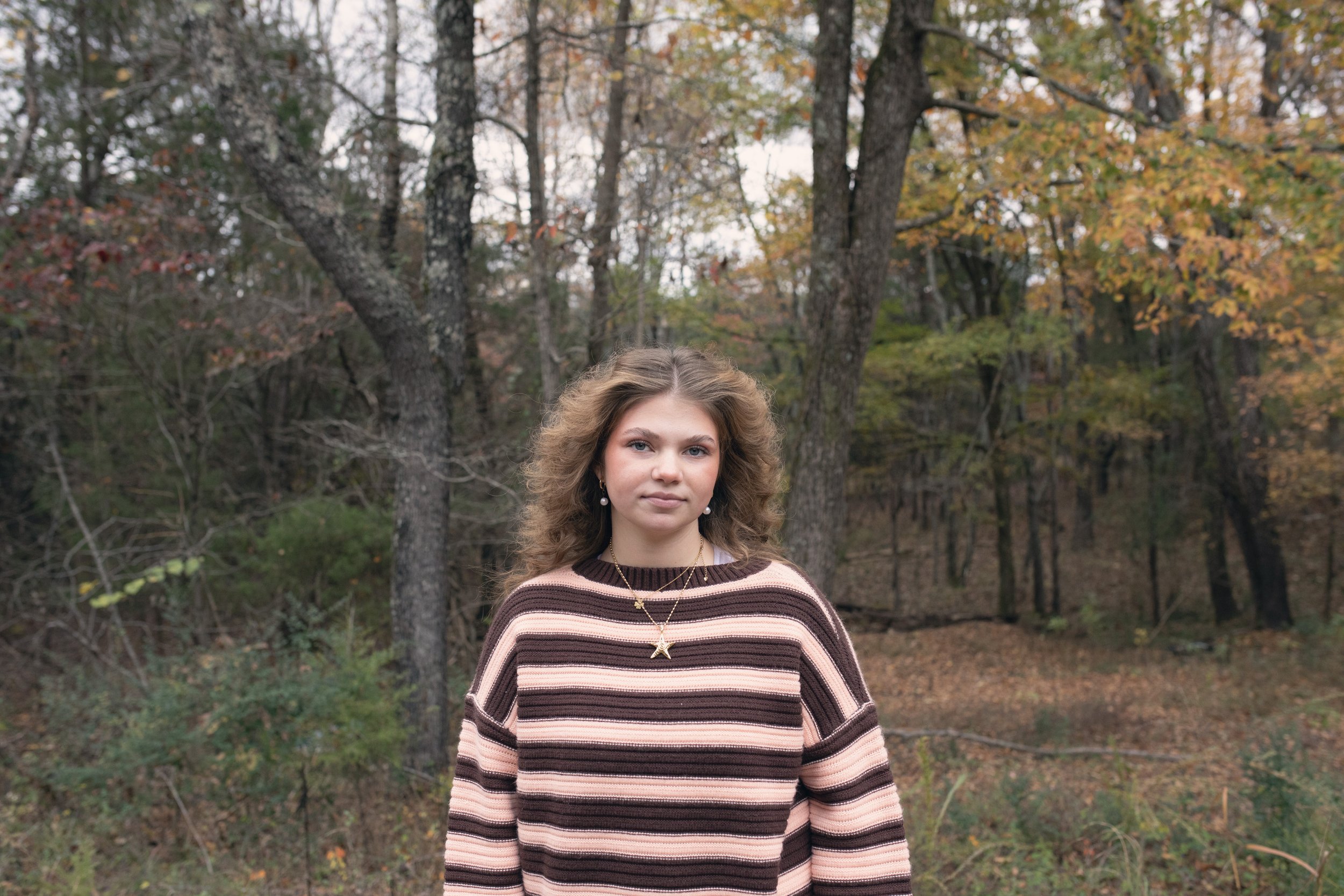
Photo by: Brian Harrington | Western AF
Written by: Meredith Lawrence
“Who heals the healer? / Who bandages the bleeder / who will sing to the empty theater,” wonders singer/songwriter Abbie McAllister in her song “Jester.” McAllister writes inquisitive, cerebral songs, which she delivers in a high, clear voice, riveting for its airy lilt, and readily setting up the 21-year-old West Virginian as a magnetic musical force. In “Jester,” an allegory for self-worth, she imagines both sides of a defiant conversation between a king and his court jester, singing, “slip your shoes on, and dance until you’re done / waiting alone, by a throne, with freedom as your gun.” Delightfully unexpected, the song lands in part because of its theatricality.
“We talk about people that have all the stuff you can't teach, and she just has it. It's just innate and flows through her. And she can't not do it,” says producer and Chris Stapleton guitarist Mike LoPinto, who’s produced several singles for McAllister. “There are people that can go to voice lessons and go to music school and do all that stuff, and they can hit the note perfectly and all that and [they’re] classically trained. And then there's people like Abbie that it's just God-given and no one sings just like her.”
McAllister grew up singing in church, reluctantly learning to play on her grandma’s slightly-dingy baby grand piano, and listening to and adoring three matrilineal generations of sopranos that stretched behind her (among other musical talents in her family); to this day, she credits her mother and grandmas as some of her favorite voices. As a teenager, McAllister dove into recorded rock and blues music, seeking companionship in its stories and means of expression.
Music by Buddy Guy, Sister Rosetta Tharpe, and Greta Van Fleet offered solace from a tough time in life, but it was while listening to Queen that something first shifted in McAllister’s psyche. “[It was] this eclectic world of self-expression that’s unapologetic,” she says. “They just had this world that was their own that I felt like I could express myself through.”
“My body, my brain, everything was like, ‘you are supposed to be playing guitar and singing. You can’t do anything else”
Encouraged in her new Queen obsession and musical pursuits by a beloved friend’s father, McAllister soon got what she bills as a ‘cheap electric teal knockoff Stratocaster’ (inspired by Stevie Ray Vaughan’s instrument of choice). With internet videos of songs she wanted to learn, McAllister taught herself guitar by watching guitarists’ hands and playing over and over until it sounded right.
“My body, my brain, everything was like, ‘you are supposed to be playing guitar and singing. You can't do anything else,” McAllister says.
To write songs, she — a self-described ‘word nerd’ — collected words, phrases, images and observations from the world around her. “The first song I ever wrote is I was listening to a lot of John Denver … and people like that who write with strange imagery or whatever comes to their mind, that's what made me start writing,” she says. “I was like, ‘I'm allowed to write songs that aren't love songs or that aren't straight to the point. I'm allowed to write songs that have weird words in them.’”
True to that creed, McAllister’s first song (which she penned at 17), is called “Maladaptive Daydreams.” Following from her internal monologue at the time, it’s a cinematic soliloquy on wishing for something that feels out of reach:
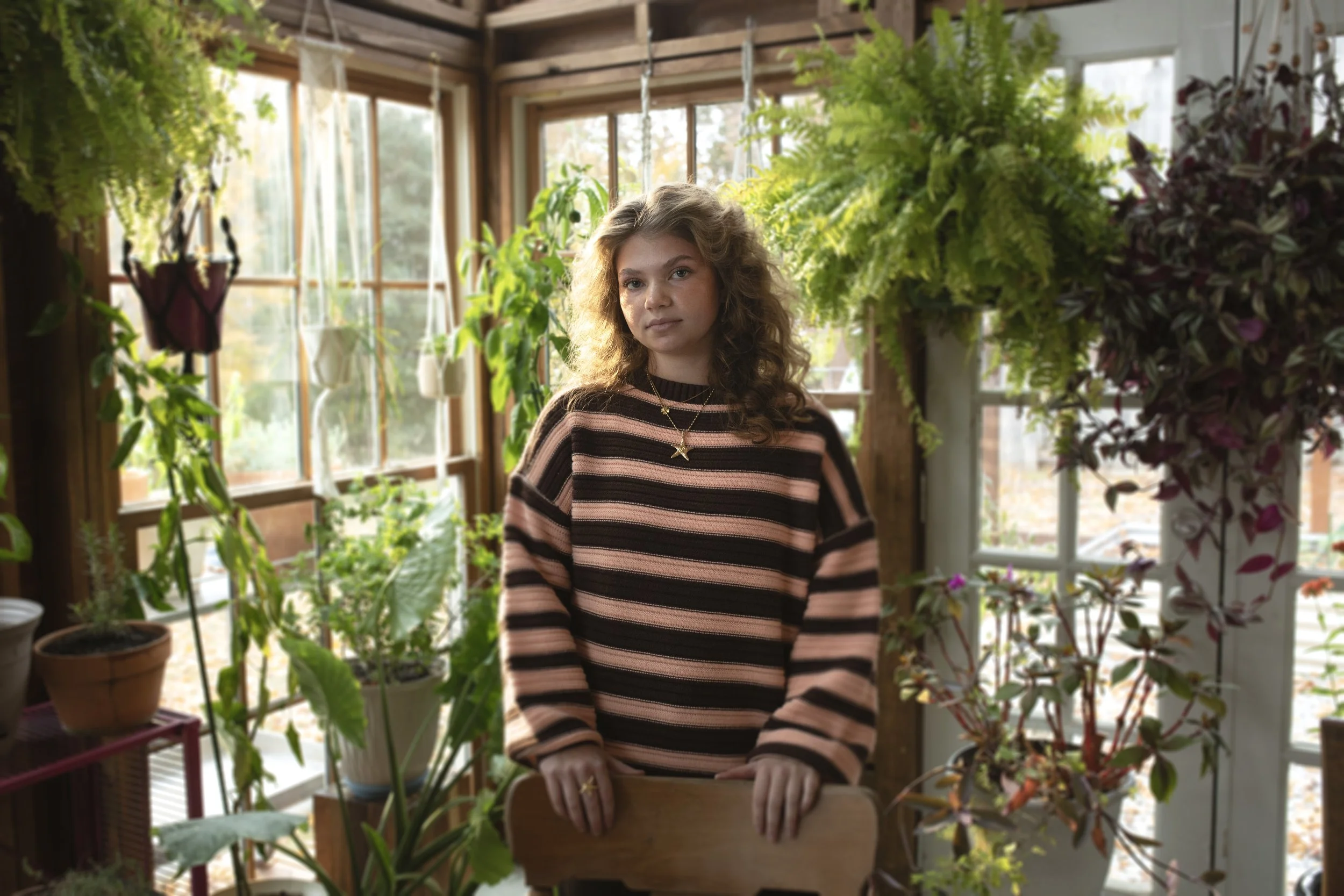
Photo by: Brian Harrington | Western AF
Selfish wishes flood the shattered ground
A flicker of light nowhere to be found
Weaving throughout a kaleidoscope of colors
Diving towards the far fetched wonders
The exploration of mountain peaks
Bewildering lands too stunned to speak
Crystal eyes they wander free as the pine trees lean
The sights pour into my mind, fueling my maladaptive daydreams
LoPinto started working with McAllister after he heard some of her cover songs on Instagram and reached out (something he never does). What sets her apart is not only a raw musical gift, but her steadfast convictions in who she is as a musician. She’s not afraid to push the boundaries of expected songwriting structure (and to use words like ‘maladaptive’ in a title) or to write five-minute ‘Led Zeppelin folkie’ numbers, he says.
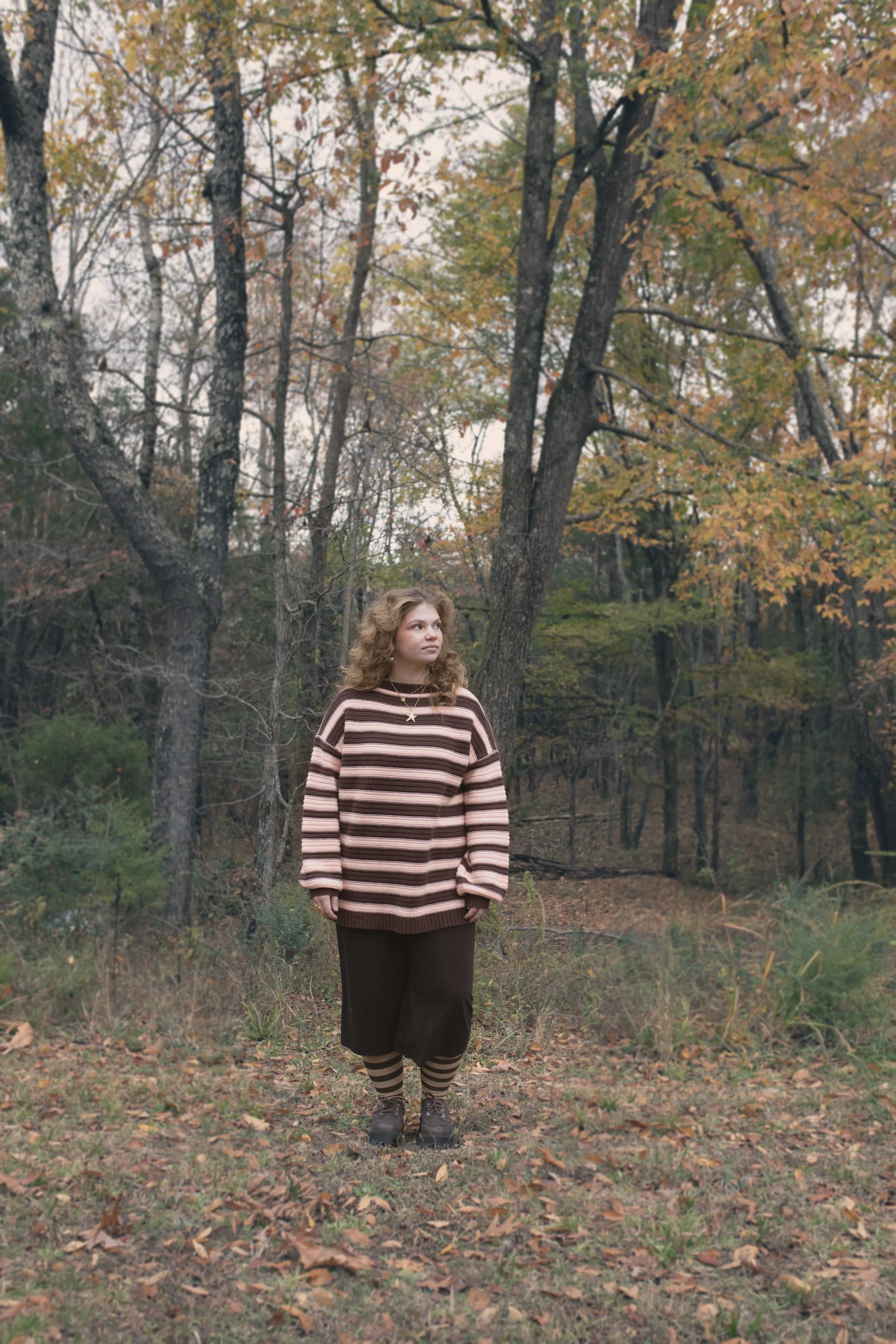
Photo by: Brian Harrington | Western AF
“There's a lot of people that can sing well, and then there's people that really translate a song and take you somewhere with a performance of a song,” LoPinto says. “The way she takes the song and the way she translates the song — you know, we're all telling the same stories; we're just drawn to certain storytellers. And she is just an insanely unique and gifted storyteller.”
When McAllister started experimenting with open tunings on the guitar, she unlocked a whole new plane of lyrical possibilities. Much as Joni Mitchell did in groundbreaking, challenging, enlightening ways, McCallister tweaks the tuning until she finds a sound that fits the song she wants to sing, rather than confining it to standard tuning.
One day, messing around on the piano, McAllister lingered on a set of strange, jazzy chords she’d never heard together. Before she could forget them, she turned those chords into “Sun Song,” an auditorily-arresting paean to finding inspiration and help from the natural and spiritual worlds. “Sliver of light through the curtain is better than a bulb in the darkness,” McAllister sings, her voice ethereally-high but grounded by a loping, slightly off-kilter guitar line. She counsels persistence: “Same time tomorrow, find the sun —fight the sorrow / we’ll be better in the morn / same time tomorrow.”
“Joni was kind of always our North Star. [Abbie] literally will just tune a guitar until it sounds cool to her and then find something in it,” LoPinto says. “It's like she's created her own little world that she lives in, and I'm just grateful to get to go visit that world.”
Western AF is not currently accepting feature pitches for Western Dispatch. If you simply can’t help yourself you can send it to westernafsubmissions@gmail.com but, really, we aren’t accepting pitches.