
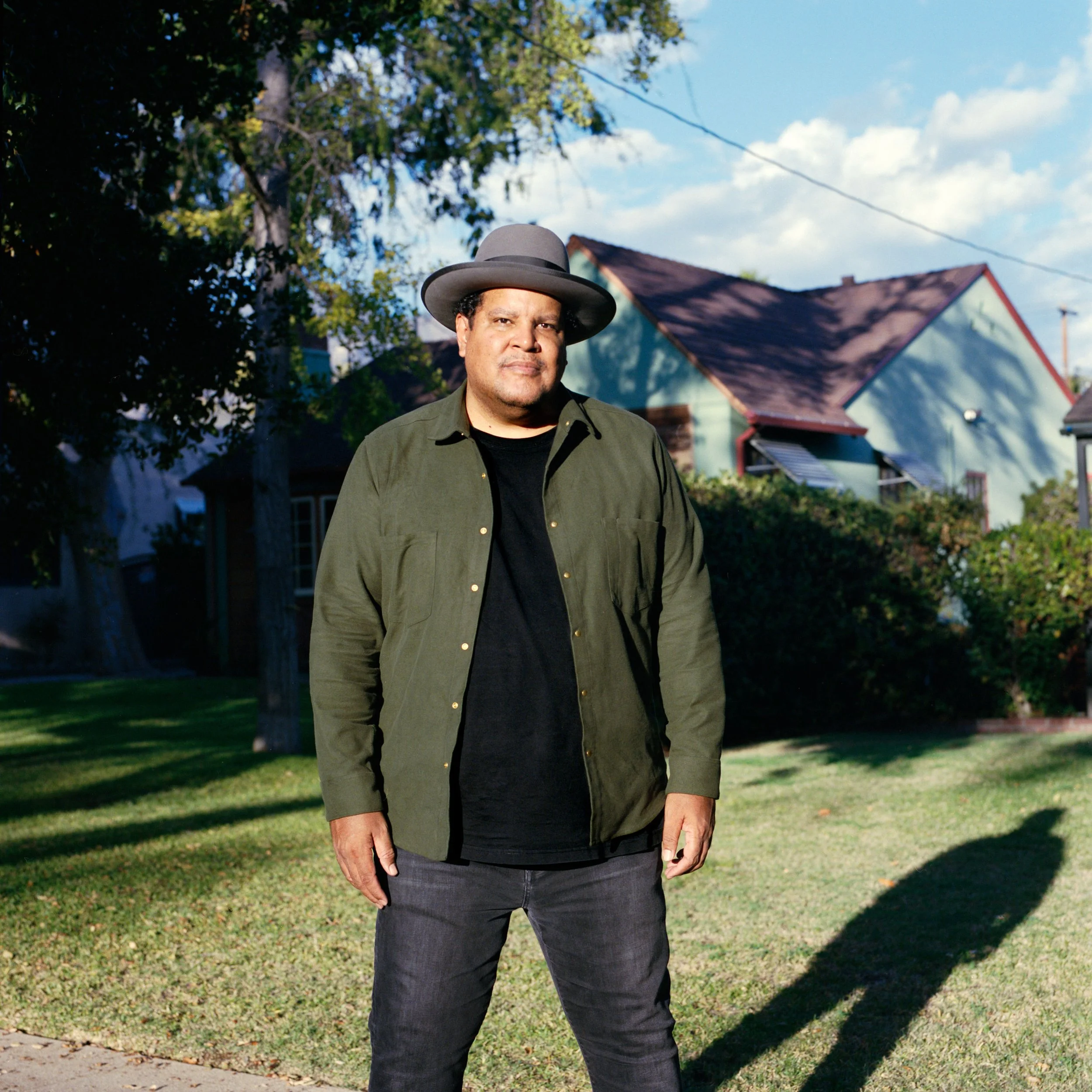
Photo by: Gregers Heering
By: Chris Pierce
When I was five years old, my family woke up to find a burning cross on our front lawn in Southern California.
My parents, an interracial couple and one of the first in our Pasadena neighborhood, didn't pack up and leave. They stayed. They kept raising their child. They kept believing there was something worth loving about a country that didn't always love them back.
They opened our home to the community and they hosted a barbecue right there, on that same patch of grass where the cross burned. The adults gathered, the children played together, and the lawn that had been used to send a message of hate became a place of connection.
I didn't know it then, but I've been writing songs about that morning ever since.
People sometimes describe me as a protest songwriter. But I’ve never thought of myself that way. I’ve simply tried to write songs that needed to be written. Looking back, I can see that those songs increasingly found their way toward subjects many people describe as political. But that wasn't because I set out to write protest music. It happened because I couldn't stop thinking about certain people and stories. The more I paid attention, the harder it became to look away.
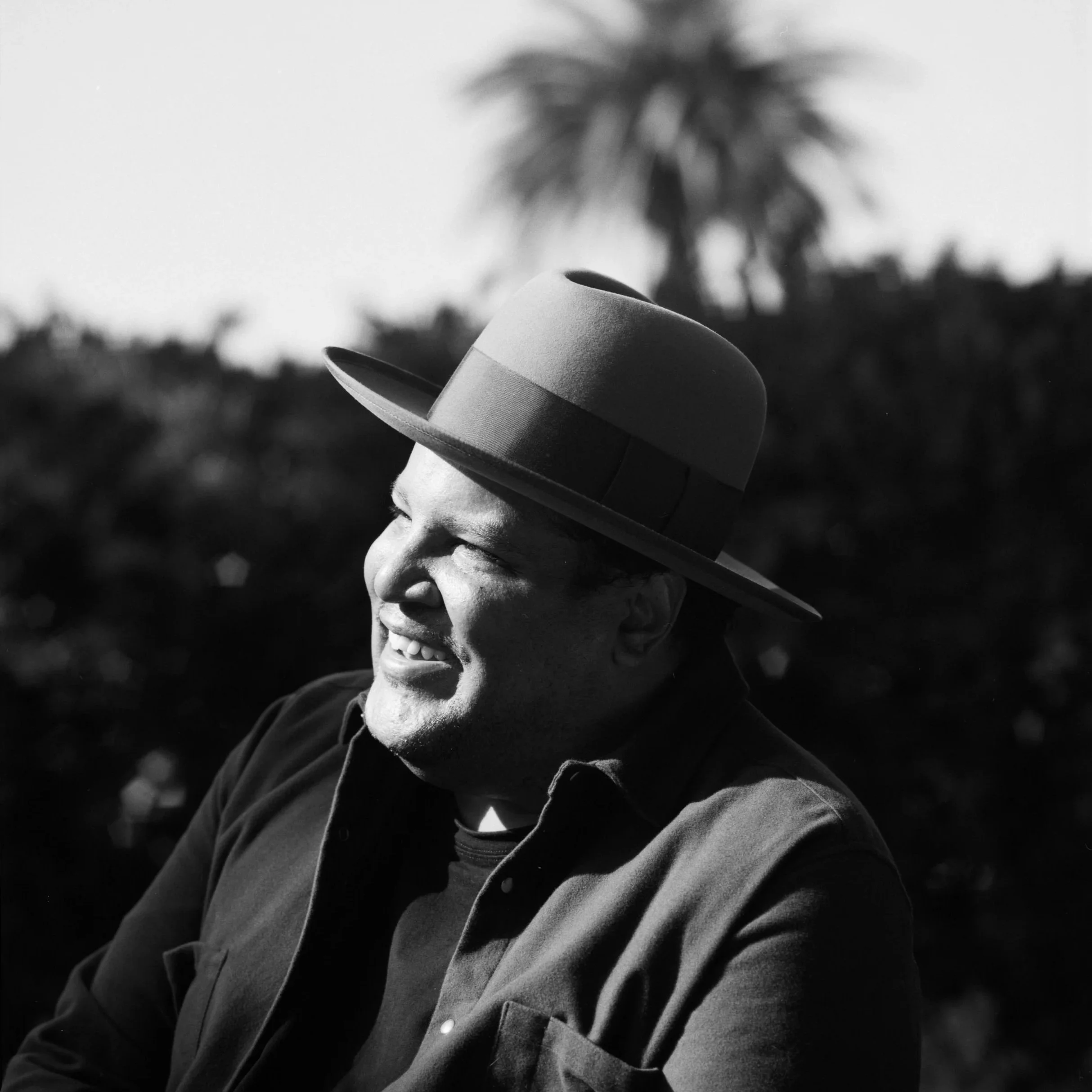
Photo by: Gregers Heering
To me, being a songwriter has never meant pretending that the America in the “Americana” music I write is perfect. It’s meant believing our country can become more fully itself—that the measure of our nation isn’t whether we’ve lived up to our ideals, but whether we keep reaching toward them. That means writing songs that tell the truth about who we are while holding on to the hope of who we can become.
Not long ago, after a concert, someone came up to me and said, "You really ought to write more love songs."
I smiled and replied, "They're all love songs."
I've thought about that conversation many times since, because I realized we weren't disagreeing. We were working from different definitions of love.
When I write about homelessness, wage theft, school shootings, or Kalief Browder– a Black teenager from the Bronx who spent three years in jail and nearly 800 days in solitary confinement without ever being convicted – I'm writing about love.
“Love, at least the way I’ve come to understand it, isn’t something that asks us to look away from suffering. It’s something that asks us to move toward it.”
Love, at least the way I've come to understand it, isn't something that asks us to look away from suffering. It's something that asks us to move toward it. It means lifting our voices for those who have been silenced, fighting for those who can't fight for themselves, and using whatever gifts we have to remind one another that we are not alone.
Somewhere along the way we've become more comfortable talking about issues than about people. We debate immigration and forget the migrant worker; we argue about incarceration without imagining someone sitting alone in a prison cell; we discuss homelessness without seeing the family sleeping in a car.
That’s exactly why songs still matter. They ask us to stay with another person's story long enough to remember we're talking about a human being, not a talking point.
The greatest protest songs have always done this—from spirituals born under slavery, which insisted on the humanity of a people a nation refused to see, to the music of Woody Guthrie ("Deportee"), Marvin Gaye ("What's Going On"), Pete Seeger ("We Shall Overcome"), Odetta ("Oh, Freedom"), and Tracy Chapman ("Behind the Wall"). None of those artists sounded alike, but they all understood that music could bear witness. We remember them because they challenged power; but they’ve endured because they refused to let people become invisible. Because behind every human life, they insisted, was a human life.
Every generation inherits that tradition, but every generation inherits a different America. Ours asks us to resist something quieter, but no less dangerous: the temptation to stop seeing one another.
That's what led me to co-write "Madonna of the San Joaquin."
Its lyrics, tempo and arrangement puts the listener in the shoes of an undocumented laborer fleeing in fear:
She’s the gal
Been scrubbin’ your floor
Picking your fruit
’Til her arms are sore
But now you kick her out
Your big front door
You sent the sheriff and the marshal
And the deputy
So, she’s runnin’ through the night
Just trying to stay free
She’s tryin’ to stay free
Long before immigration becomes a political argument, it's someone's mother, someone's son, hoping to build a safer life. The song isn't really about immigration. It's about recognizing the humanity of people whose labor sustains this country.
It’s my belief that mercy, kindness, and welcoming people seeking a better life remain among humanity’s greatest strengths, and among the very best of what America can be. And that music is not a spectator sport.
That conviction didn't come from books. It came from living my own life.
Growing up, I was attacked because of the color of my skin more times than I care to remember, including encounters with law enforcement that left lasting scars. And early in my music career, I began losing my hearing to a genetic disorder called otosclerosis. Today, I'm completely deaf in one ear and have only 50 percent hearing in the other.
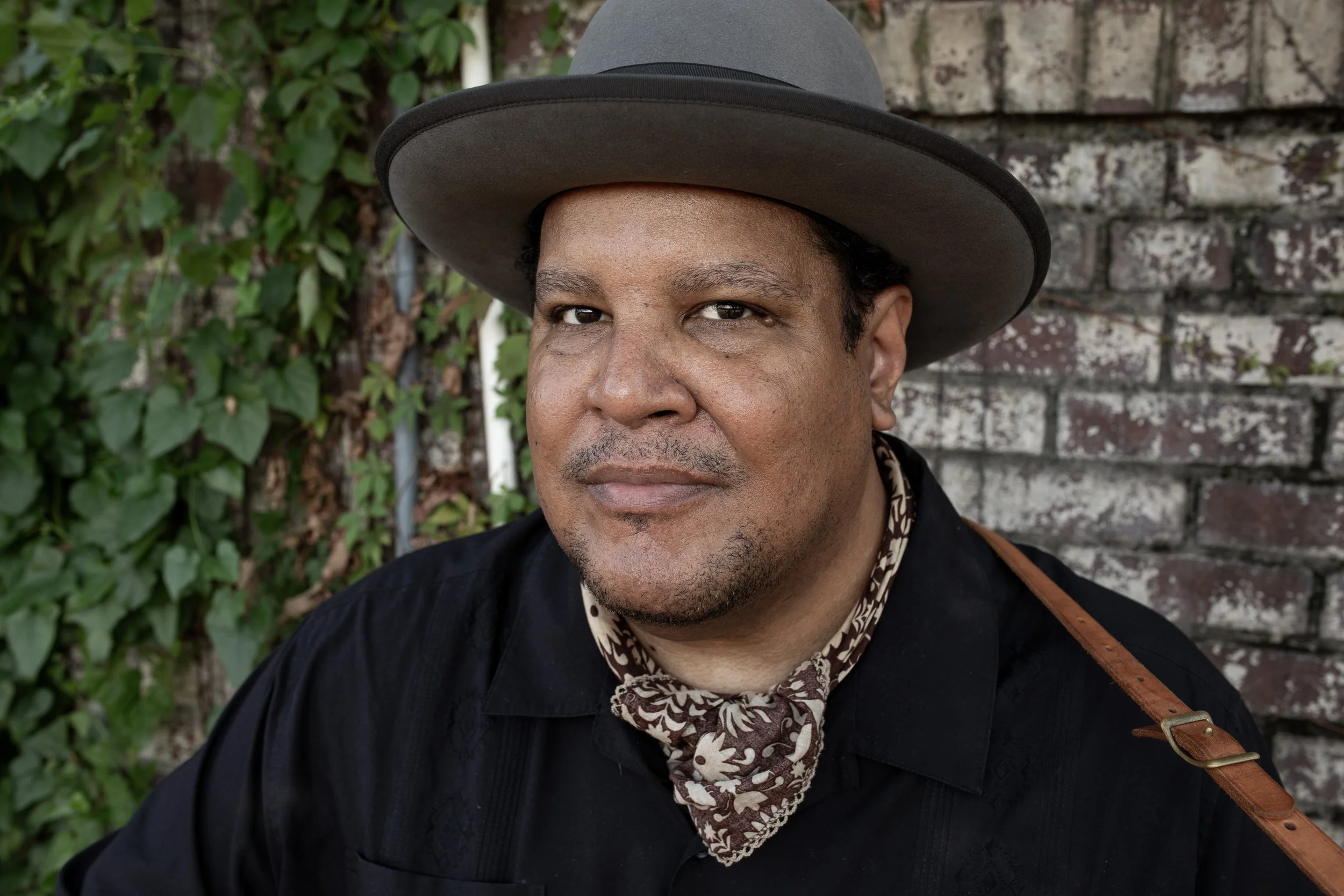
Photo by: Brian Harrington | Western AF
As I learned how to tell stories through song, I also had to relearn how to hear. I began listening more with my heart, reaching for the emotions behind the sounds I could no longer hear. Losing my hearing gave me a different way of experiencing music, and I promised myself I'd never lose my voice, not just for myself, but for people whose stories might otherwise go unheard.
When I look back over the songs I've written, I realize I haven't really been changing subjects. I've been asking the same question over and over again:
How do we keep another human being from becoming invisible?
I've spent decades walking into rooms full of people who carry different experiences and disagree about almost everything. I’ve watched them share four minutes of the same song. Before anyone decides whether they agree with a lyric, something else has happened. For those few minutes, people who've never met—and may never agree—share the same emotional space.
That's why I invite people to stay after the show for discourse. I believe that the conversation continues after the last note fades away. Every conversation reminds me that music opens doors an argument never could.
That’s what my songs ask: please don’t look away from another person’s humanity.
And even if people insist on calling those protest songs, I'll keep calling them love songs.

Western AF is not currently accepting feature pitches for Western Dispatch. If you simply can’t help yourself you can send it to westernafsubmissions@gmail.com but, really, we aren’t accepting pitches.