
Cole Chaney’s Appalachian Storytelling Isn’t What You Might Think, And That’s A Good Thing
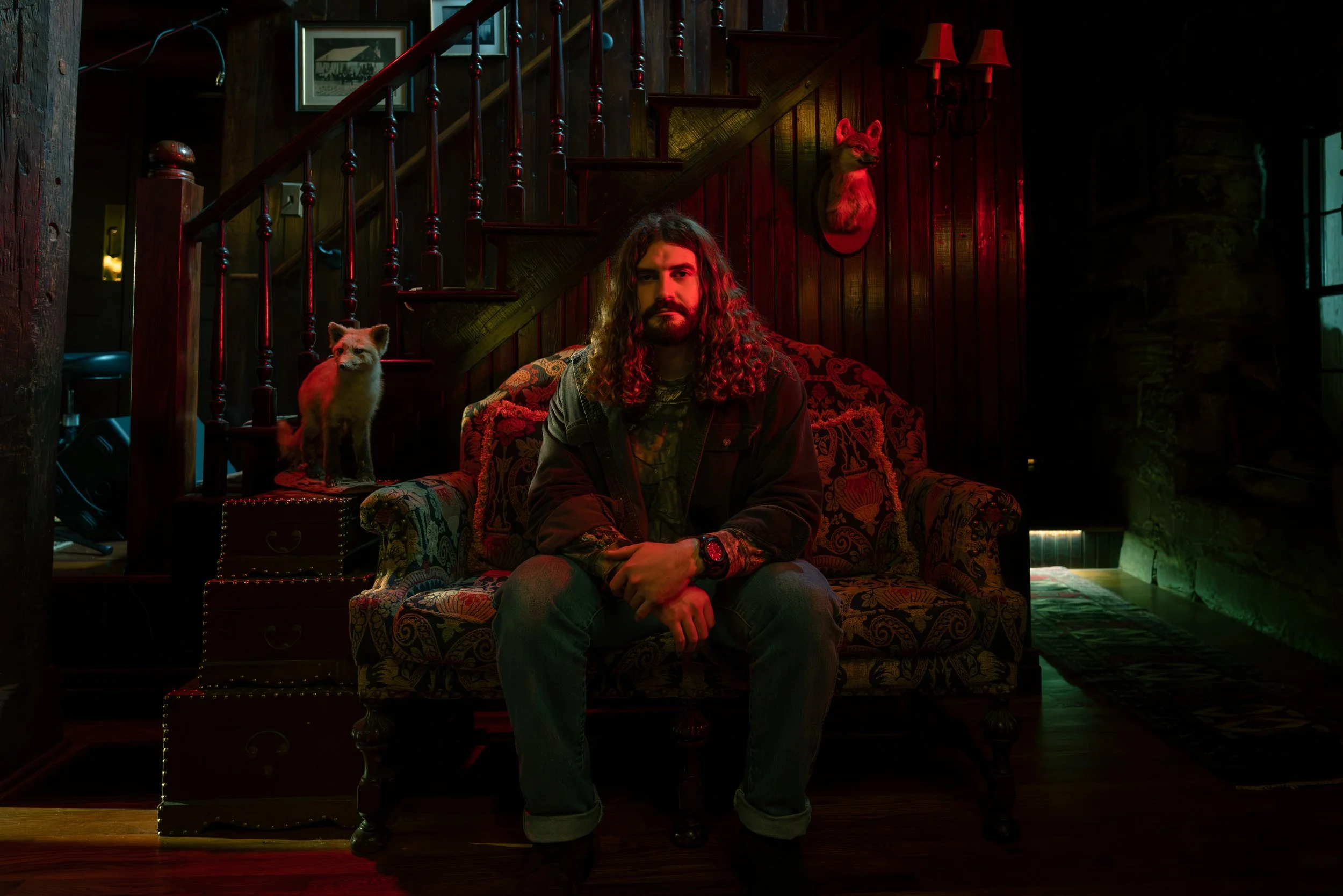
Photo by: Mike Vanata | Western AF
Written by: Meredith Lawrence
Last summer, Kentucky singer/songwriter Cole Chaney played Tyler Childers’ Healing Appalachia music festival. On stage at the Boyd County Fairgrounds, which were built on top of reclaimed coal strip mines — and the very same land where Chaney’s fellow teenagers used to go to run trucks, light bonfires, and mess around away from adult supervision — Chaney performed his song “Shadow of the Mountain,” the title track from his 2025 sophomore album:
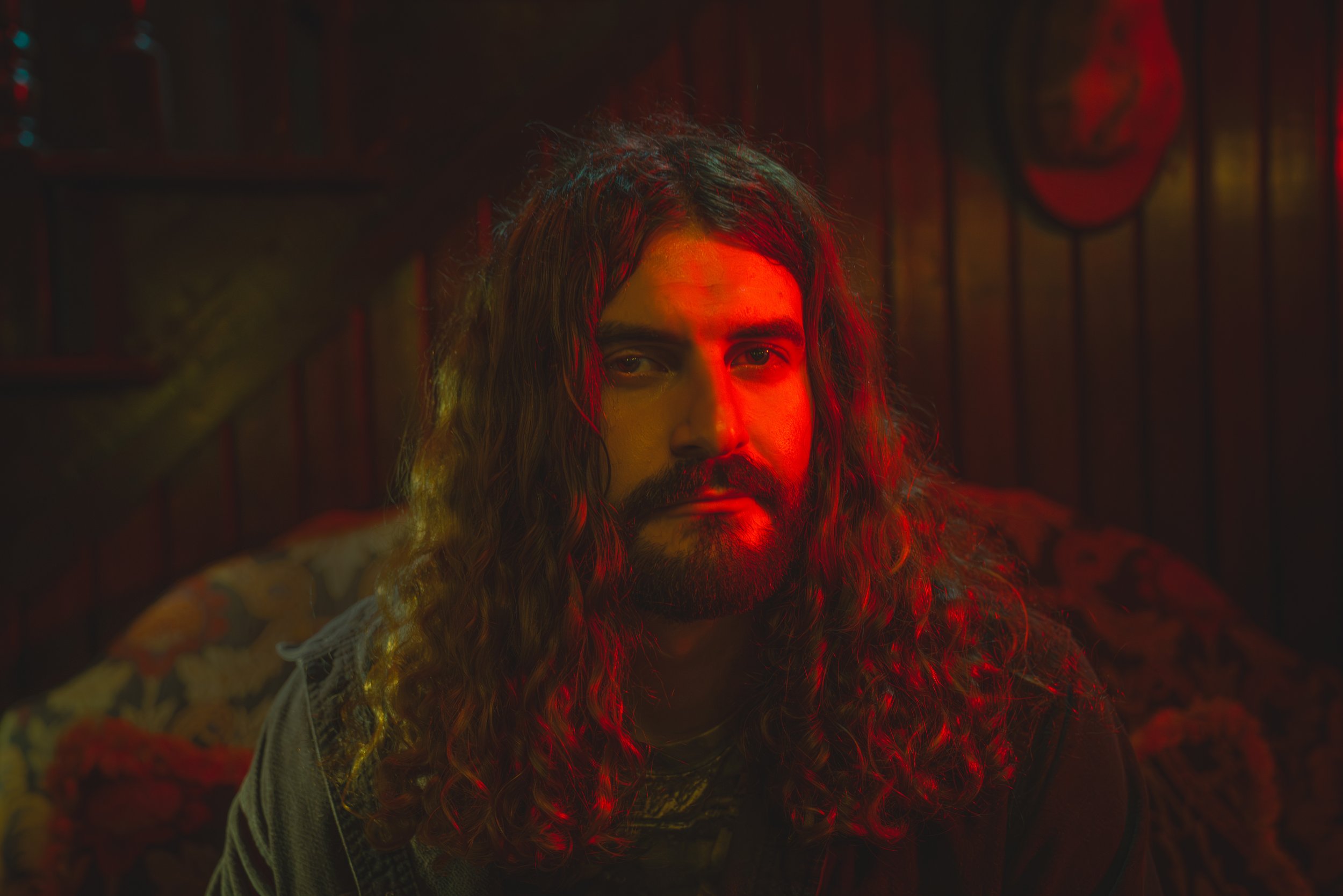
Photo by: Mike Vanata | Western AF
I was barely a boy when the devil crept in
First he took my Pa and then hе took my friends
Be it by way of a pill or by way of a mine
Thеre were many good soul would be relieved of their life
Chaney’s hometown, Cattlesburg, sits at the intersection of the Rust Belt and the Coal Belt in Northeastern Kentucky, a naturally beautiful, moribund cultural area, ravaged first by industry then by subsequent factory and mine closures. To love this place is to appreciate its complexities, Chaney says — he’s always been proud to be from East Kentucky.
“Take a look around; and it is beautiful; the landscape is absolutely beautiful, and it's charming. But there's this depth to this place…In the shadows, this place has its demons, you know plenty of them,” Chaney says. “I do believe in actual demons and stuff like that. And I think there's a lot of people who are burdened by a lot of that around here.”
On “Shadow” the song, and the album as well, Chaney balances narrative storytelling with abstract illustration; “is this necessarily a literal story about any one thing, or is this to put you in a place and put you in a mood and put you in a time of somebody who grew up to see the corporate greed ravage this part of the country…the coal companies and pharmaceutical companies and the hospitals too.”
Though Chaney often writes about staples of Appalachian storytelling — hard work in mines and mills, lives driven or destroyed by the region’s best-known industries — he imbues his music with a sense of hope and better things still to come so often absent from those narratives. His is a moral clarity with little patience for corporate greed.
“It's tough when you got a screen in front of you all the time, it's tough to tune all that bullshit out. But that's what I've been trying to do more of in my past two years, is just put the damn phone down and just appreciate. Because if you listen to them, life is terrible, and everything is your problem, and you have to fix everything; the average American middle-class taxpayer, it isn’t your job to fix everything,” he says. “It is a trap. It absolutely is a trap. And not only is it a trap, but it's a trap and people are getting off on it, on you being trapped into it. They get pleasure out of it out of ruining people's fucking lives.”
Chaney’s parents split when he was quite young and he divided much of his childhood between Cattlesburg with his mother, and time with his dad, 45 minutes North in southern Ohio. Regimented lessons never appealed to Chaney much, and early guitar lessons didn’t stick, but when he was a teenager, his stepdad tried to teach him how to play AC/DC’s “TNT.” Frustrated that he could hear his stepdad hadn’t gotten it right, Cole sat down and figured it out for himself (with some help from YouTube).
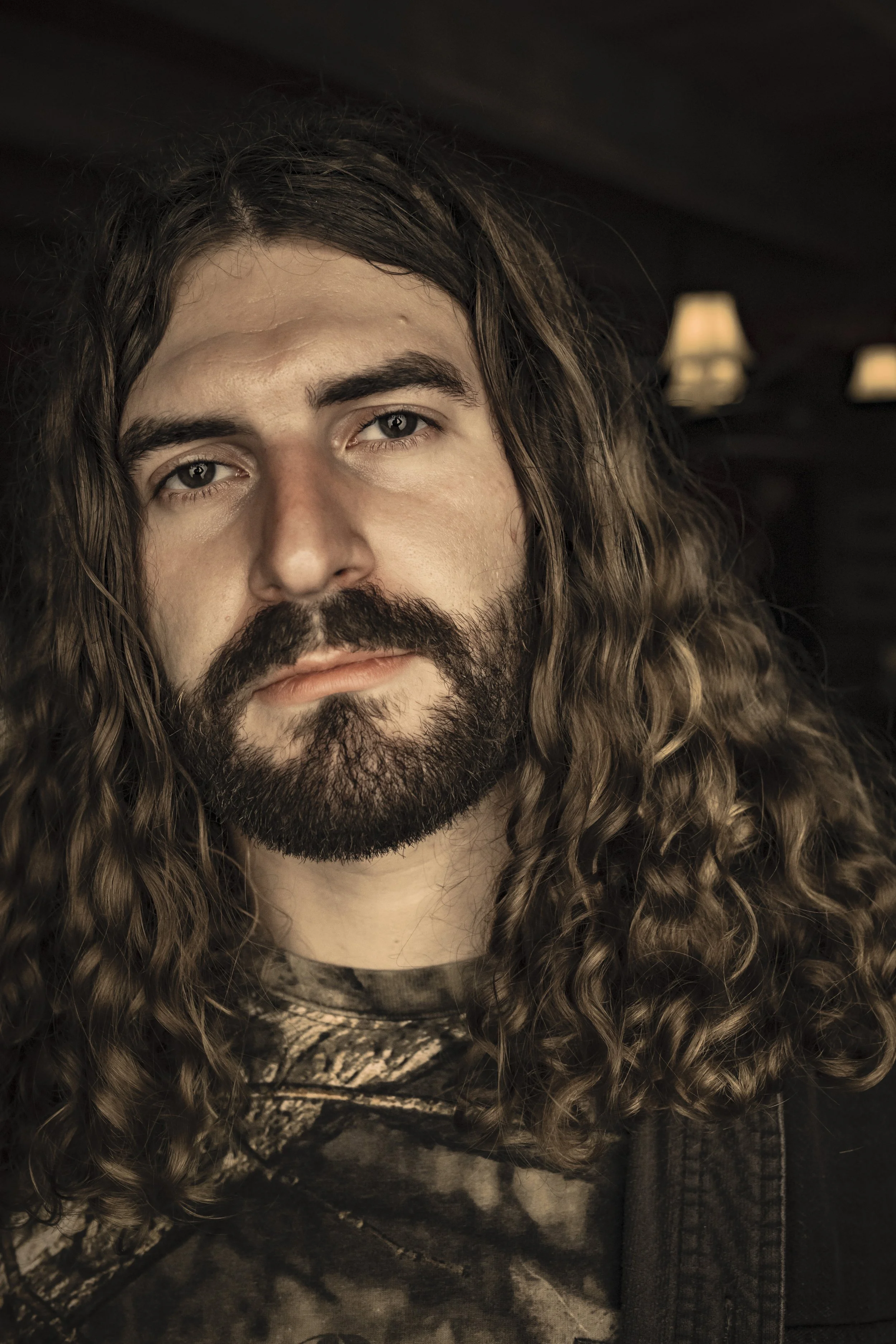
Photo by: Brian Harrington | Western AF
That quick ear to music let Chaney teach himself Bon Jovi’s “Wanted Dead Or Alive” (he asked for a 12-string guitar for Christmas so he could play it properly), and later to start writing his own music. Shortly after high school, Chaney quit a lucrative job as a combo pipe welder to make music full time.
Chaney released his first album, Mercy, in 2021. Recorded with a slate of talented bluegrass studio musicians, the record is a testament to the rich culture and musical traditions that surrounded Chaney. Growing up half an hour down the road from Childers’ home turf, it was impossible not to be awed by his powerful storytelling and the immense influence he had on the region and country music.
“I have always looked at him in a Kurt Cobain type of way, this dude drove a stake through the heart of the type of music that I had a genuine hatred for at that time – the radio country stuff,” Chaney says. “Whenever he really took off, that was all the validation in the world; when I was a kid, nobody wanted to say that they were from East Kentucky, everybody wanted to be from somewhere else. And I was always proud of shit to be where I was from.”
“This way of storytelling and stuff, that feels ancient,” Chaney continues. “Especially if you're from here, you've encountered a few of those people in your life that tell stories in the way that he sings songs… It feels ancient and sacred. It feels sacred to me.”
With Mercy, Chaney added to that rich cannon of Kentucky storytelling (Childers, Chris Stapleton, Sturgill Simpson). After its release, Chaney felt pressure to be a Childers carbon copy. He wasn’t, and didn’t want to be. Instead, he let his taste develop, waiting to find his own creative truth.
“Chaney felt pressure to be a Childers carbon copy. He wasn’t, and didn’t want to be. Instead, he let his taste develop, waiting to find his own creative truth.”
Four years later, Chaney released Shadow. Sonically, the album still owes plenty to Appalachian musical traditions, but also (partially through the addition of a drummer to the band) taps Chaney’s love for 1990s rock bands like Soundgarden and Alice in Chains. Chaney recorded Shadow with his touring band, retaining his live sound on the album, and blending narrative storytelling — on the title track, and “Grind” (a man working all his days in coal mines and steel mills to support his family), and on “Charlene” (a war-skeptical soldier’s lament to his beloved)— with more abstract stories: “Feels like Rain,” and “Alone?” the album’s six-minute closing rumination on finding oneself in spite of the noise of the world.
Shadow sounds like the music Chaney wishes he’d had available to listen to in high school. It’s been called ‘grunge-grass’ and ‘grunge country,’ but to Chaney it simply feels like the music he was meant to make, unburdened by the need to fit into any one musical box or meet anyone’s expectations but his own.

“I'm not going to bend over backwards for the internet; I'm not going to do that because I just feel like it lessens my integrity as a person and as an artist,” Chaney says. “Do I think that the metaphorical selling of the soul to the devil is you sitting down across the table from a dude with a suit and signing a dotted line? Maybe, but probably not. I feel like it's more like sacrificing your integrity to beg for the attention of people who have a 15-second attention span. I'm not going to do that. That's not the people I want to listen to my music.”
Western AF is not currently accepting feature pitches for Western Dispatch. If you simply can’t help yourself you can send it to westernafsubmissions@gmail.com but, really, we aren’t accepting pitches.