
“I’ve Always Been A Songwriter:” Kiki Cavazos’s True Blue Heartbroken Ramblin’ Songs
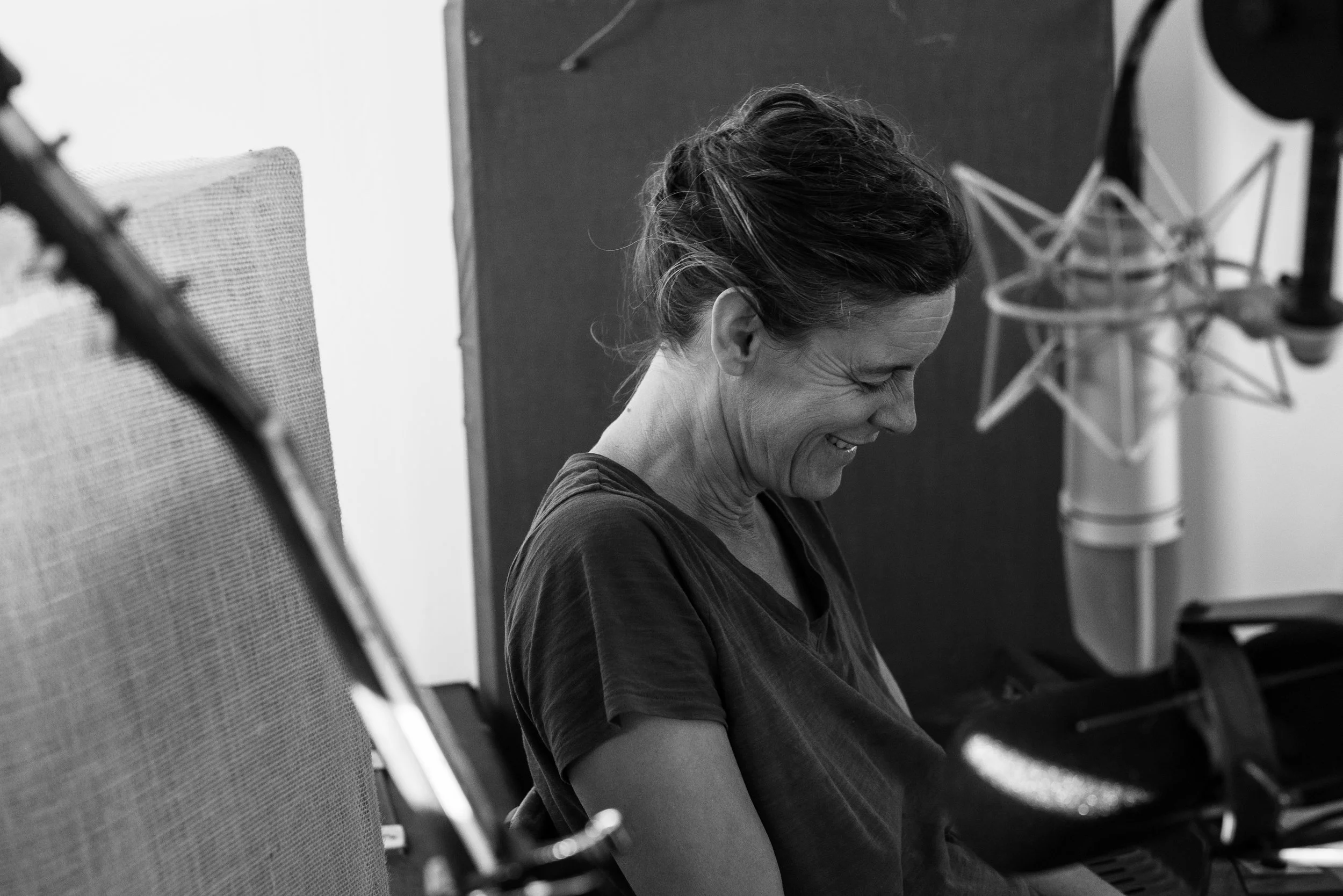
Photo by: Mike Vanata | Western AF
Written by: Meredith Lawrence
In an early video released on Western AF’s YouTube, Kiki Cavazos sits by the Flathead River in Montana strumming her guitar at sunset. Fire crackles in the background as Cavazos sings low and earnest, facing the river more than the camera, “Heart slain, hard rain and I’m walkin’ home / Five blocks, it ain’t far, but always long / It’s the end of the song, you never sang along.” Her song “Cold Love” is small scale heartbreak, simple and true: “A cold love ain’t no love at all / Now it’s too hard to call.”
“Every one of my songs is probably just me having a broken heart about some thing or the other,” Cavazos says ruefully and by way of introduction to the “Cold Love” video; yet it’s that realism that distinguishes her too. Cavazos’ broken hearted souls and itinerate wanderers tread well-worn ground, unencumbered by the romantic gloss that’s made them tired stereotypes elsewhere in country music. Often, they’re hand in hand: “But ain’t I a rambler / Oh I done skipped town / Left the best one I’d found,” she sings in her song “Two Bit Gambler,” folding both the plight of a perpetual drifter and heartache into a single song, “Now I’m walking in circles again / Feeling nowhere bound.”
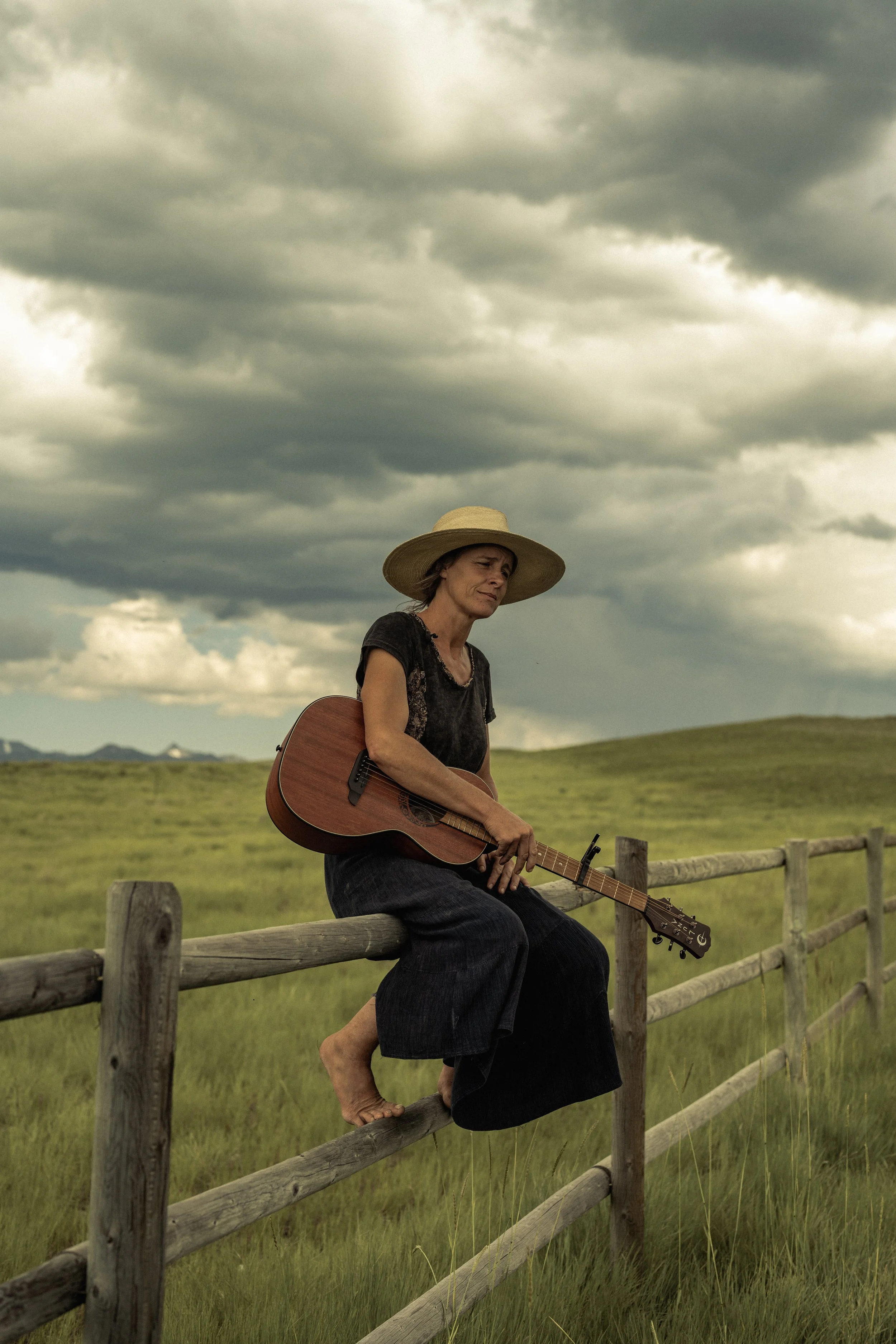
Photo by: Chloe Mostrant
“They're all real. I can't make shit up,” Cavazos says of her characters.
To a studio recording — Cavazos will release her label debut album, Goodbye Blues (Jalopy Records), on April 24 — she brings the dusky, slightly imperfect, and gloriously tangible sensibilities of a fireside song share. Indeed, Cavazos’ previous release, 2024’s Early Mountain Songs (her first widely-streamable album), was recorded in a quick live session by long-time friend Gill Landry. With Cavazos on a guitar she didn’t know well, the production’s inherent roughness evokes early folk music field recordings by folklorists like John Lomax, bringing to bear the full force of audio intimacy as well as the ineluctable magic of a live performance.
Music has come and gone, and come again in Cavazos’ life, but as she puts it, “I’ve always been a songwriter.” One of her earliest memories is of posting up in a barn to try and compose a song. All of maybe four years old, and a sponge of her upbringing, she philosophized on how much she hated the devil, while her sister and a group of friends looked on. Songwriting became a hobby for Cavazos, and as a teenager she started writing songs on the guitar, playing whichever was on hand.
“My dad was kind of a wheeler dealer, and we always had a different truck. And sometimes, I would come and he would have traded my guitar for another one,” Cavazos says. “A lot of guitars have been martyrs, too, because I've been pretty hard on guitars that I've traveled with. A lot of them just died.”
As a teenager Cavazos lived and travelled with her dad, who couldn’t help but be on the move. Dad was strict and insisted she play religious songs on the guitar. But somehow Cavazos ended up with a tape of blues singers. She fell in love with Mahalia Jackson and Big Bill Broonzy and Blind Willie Johnson and Blind Willie McTell, before finding Hank Williams, old country songs, and a sound and a soul she wanted to capture in her own music. Eventually, Cavazos started wandering on her own; she visited Seattle and New Orleans, and spent a year in Mexico (where her grandfather’s from), playing banjo in a drum band. Heartbroken no doubt, she moved to New Orleans and eventually ended up in a band with Alynda Segarra (of Hurray for the Riff Raff) and Sam Doores (of the Deslondes).
Cavazos’ stories unfold between her roughed-up amber voice and fingers on the guitar, honoring the people and places she’s known in her travels. Goodbye Blues (produced by Doores) includes a forlorn ode to Montana’s Crazy Mountains, “Goodbye to the Crazies,” which like so many other wild spaces are being cluttered up by giant, incongruous vacation homes; plenty of wanderers and denizens of heartbreak — “Two Bit Two”,” “Little Old Dusty Road,” “Pedestal,” “Leavin’,” “Hobo Song,” — and a story inspired by an old tarot card reader and matriarch of the New Orleans singer/songwriter community, “Hawthorne and Heartache.”
“I mostly just write when I’m sad or inspired or overwhelmed or whatever, something hits me.”
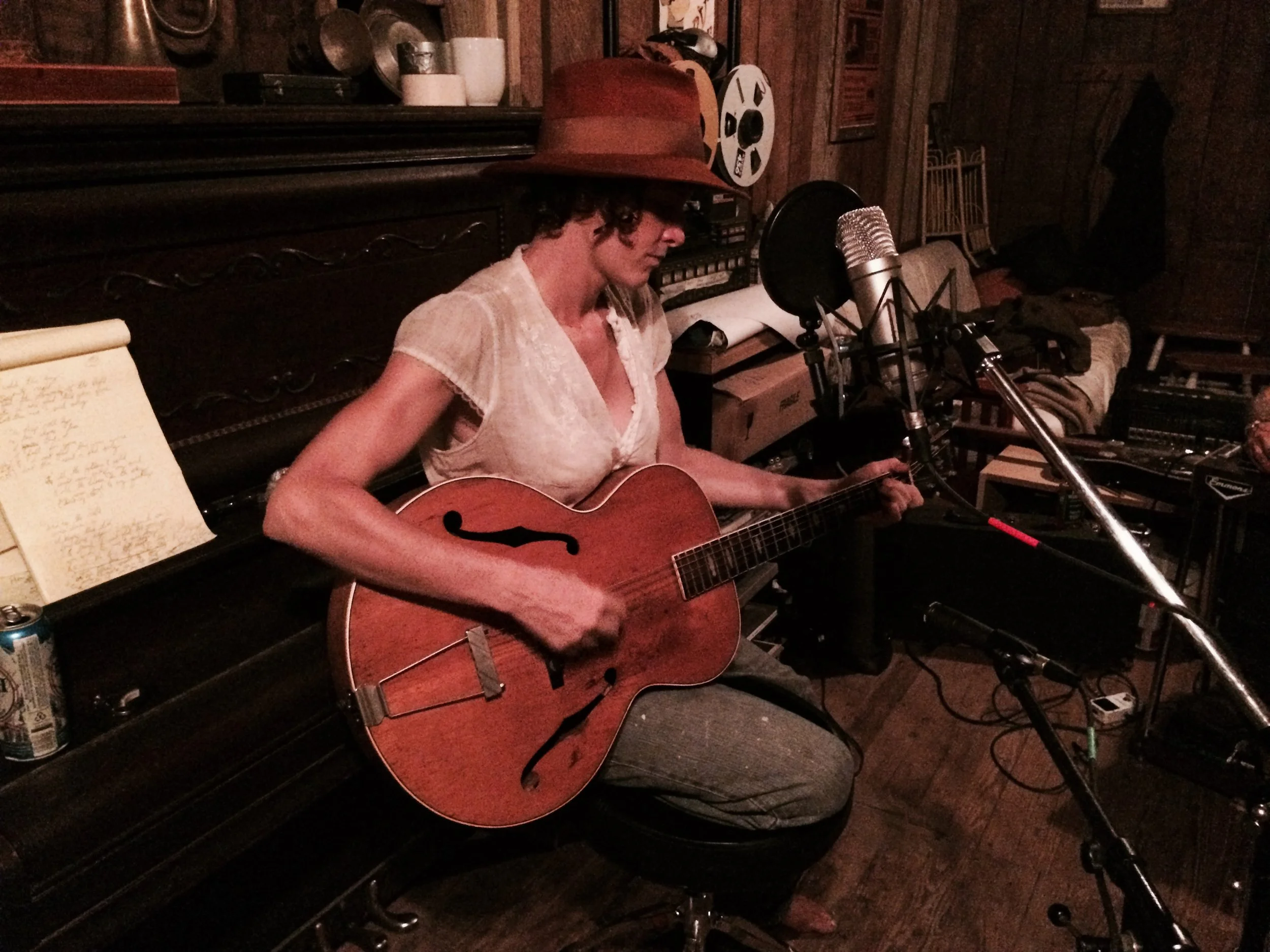
Photo by: Lee Walker
“I've always just tried to keep it [writing] a really free thing; I wish I had more discipline with it,” Cavazos says. “I mostly just write when I'm sad or inspired or overwhelmed or whatever, something hits me.”
The idea of a formalized songwriting process and the business of making and recording music for profit, or at least sustenance, is relatively new to the timeline of both music making and human existence. Cavazos sidesteps the vast distance music has travelled in the roughly-hundred years since the advent of recording technology, returning music — recorded and live alike — to its fundamental elements: story, melody, connection, and community.
After years back in Montana, Cavazos is newly returned to New Orleans, where she finds herself flummoxed by the grueling tasks of job and house hunting. Though she’s recently stacked up some big career moments — played Newport Folk Festival, and opened for Big Thief and The Deslondes — Cavazos is looking forward to having mental space for creativity soon, and to songwriting for songwriting’s sake.
Western AF is not currently accepting feature pitches for Western Dispatch. If you simply can’t help yourself you can send it to westernafsubmissions@gmail.com but, really, we aren’t accepting pitches.